How to Support Your Eyes with Lutein: a Practical Step-by-Step Approach
Your eyes work hard every day, from the moment you wake up to the last thing you see before sleep. Over time, exposure to light, screen glare, and the body's own natural aging process can take a toll on the delicate structures inside your eyes. One nutrient that gets a lot of attention in this area is lutein. It is a carotenoid found naturally in the eye, especially in the macula, where it acts as a filter against blue light and helps protect the retina from oxidative stress. If you want to give your eyes more support, adding lutein to your routine can make a difference. But a supplement is just one piece. A step-by-step approach that combines food choices, smart habits, and the right supplement timing works better than any single change on its own.
Step 1: Learn Why Lutein Matters for Your Eyes
Before you decide to add lutein to your daily routine, it helps to understand what it does. Lutein is one of a small group of carotenoids that can cross the blood-retinal barrier and accumulate in the macula, the central part of the retina responsible for sharp, detailed vision. There it works as a natural blue light filter and an antioxidant. Blue light from the sun, screens, and some indoor lighting reaches deep into the eye. Over years, that exposure can contribute to changes in the macula, which is one reason macular degeneration becomes more common with age. Lutein does not stop the process entirely, but it does help maintain the density of the macular pigment, which is like a pair of built-in sunglasses for your central vision. The more lutein you have in your diet or through supplementation, the more protection your eyes get.
Step 2: Get the Basics from Whole Foods First
Lutein is not something your body makes, so you need to get it from what you eat or from a supplement. The most reliable food sources are leafy green vegetables. Spinach, kale, Swiss chard, and collard greens are especially rich in lutein. But the nutrient is also found in eggs, corn, orange peppers, and certain fruits like mango and kiwi. The key to getting enough from food alone is consistency. A single serving of kale now and then will not maintain a steady level in your blood or your eyes. You need to include a source of lutein in your diet most days. One practical way to do that is to have a handful of spinach or a small salad with lunch, or add a chopped leafy green to soups and stir-fries. Pairing lutein-rich foods with a little fat, such as olive oil or an egg, helps your body absorb more of it. Lutein is fat-soluble, so a fat source improves its uptake.
One thing to watch out for is how you cook these vegetables. Boiling can leach some nutrients into the water, and high heat for a long time can break down carotenoids. Light steaming or eating them raw in a salad preserves more lutein. If you find it hard to eat enough greens every day, you are not alone. That is where a targeted supplement can fill the gap.
Step 3: Choose a Supplement with the Right Form
When diet alone is not enough, many people turn to a lutein supplement. But not all supplements are the same. Lutein in supplements is often derived from marigold flowers, and it is sometimes bound to a fat molecule to make it easier for the body to use. This form is called lutein esters. Some products use free lutein, which is already in a more absorbable state. Both can work, but the key is that the supplement also contains zeaxanthin. Lutein and zeaxanthin work together in the macula, and taking them together is more effective than lutein alone. Look for a ratio that matches what is found in the eye, usually around 5:1 lutein to zeaxanthin. Some formulas also include other carotenoids or antioxidants for broader support.
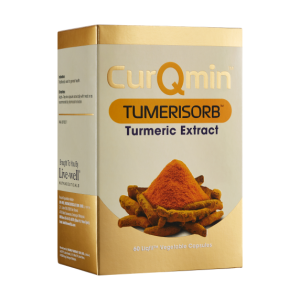
Livewell2u offers a range of eye health supplements that include lutein and zeaxanthin. Their formulas are designed for people who want to support their vision as part of a broader health routine. When you choose a supplement, check the label for the amount of lutein per serving and whether it includes zeaxanthin. A typical dose is 10 to 20 milligrams of lutein per day, but starting lower and gradually increasing can help you avoid digestive discomfort if you are new to carotenoids.
Step 4: Time and Stack Your Supplement Wisely
Taking lutein at the right time and with the right foods makes a difference in how much your body actually absorbs. Because lutein is fat-soluble, you should take it with a meal that contains some healthy fat. A lunch with avocado, a dinner with salmon or olive oil dressing, or even a snack with nuts works well. Taking it on an empty stomach or with only water will result in much lower absorption. Another point to consider is the rest of your supplement stack. Lutein works well with vitamin C, vitamin E, and zinc, which are also involved in eye health. Some people take a multivitamin that includes these, but if you are taking separate supplements, space them out to avoid overwhelming your system. Taking lutein with your biggest meal of the day is a simple rule that helps consistency.
One thing to watch for is that lutein can sometimes cause mild stomach upset if you take too much at once. If you notice that, split the dose into two smaller servings with different meals. Consistency over weeks and months is what builds up macular pigment, so the goal is to make it a habit you can stick with.

Step 5: Pair Supplementation with Healthy Eye Habits
A supplement alone cannot undo the effects of poor eye habits. Lutein works best as part of a lifestyle that reduces eye strain and protects your retinas from unnecessary damage. Here are a few simple habits to combine with your lutein routine:
- Take frequent breaks from screens. The 20-20-20 rule works: every 20 minutes, look at something 20 feet away for 20 seconds. This gives your eye muscles a rest and reduces fatigue.
- Wear sunglasses that block blue and ultraviolet light when you are outside. Even on cloudy days, UV exposure adds up.
- Aim for at least seven hours of sleep per night. Your eyes repair and reset during sleep, and chronic sleep deprivation affects tear production and focus.
- Stay hydrated. Dehydration can lead to dry eyes, which makes the surface of the eye more vulnerable to irritation and infection.
- If you smoke, consider stopping. Smoking depletes lutein and other antioxidants from your body and raises the risk of macular degeneration significantly.
These habits do not replace the need for lutein, but they amplify its benefits. Think of lutein as the structural support and these habits as the maintenance that keeps the structure working well.
Step 6: Monitor Your Progress and Adjust as Needed
Unlike a pain reliever or a sleep aid, lutein does not produce an immediate noticeable effect. You cannot feel your macular pigment increasing. So how do you know if your routine is working? The best indicator is time and consistency. Most eye care professionals suggest that it takes several months of daily intake to see meaningful changes in macular pigment density. Some people notice that their eyes feel less fatigued after long screen sessions, or that colors seem more vivid. These are subtle signs, but they can be reassuring. If you have not noticed any change after four to six months, you might need to adjust your dose or check that you are taking it with enough fat. If you are using a supplement from Livewell2u, their customer support can answer questions about dosage and pairing with other nutrients.
Another thing to watch for is that lutein can build up in the skin and, in very high doses, give a slight yellowish tint to the skin, a condition called carotenodermia. This is harmless and reversible, but it signals that you might be taking more than your body needs. If you notice it, reduce your dose and see if it fades. For most people, a standard dose does not cause any visible change.

Step 7: Keep a Long-Term Perspective
Eye health is a long game. Lutein is not a quick fix, and it does not reverse existing damage. What it does is build a reserve of protection that helps your eyes handle daily stress and aging more gracefully. The best results come from sticking with it for years, not weeks. If you are in your twenties or thirties, starting now gives you a head start. If you are older, it is never too late to begin, but the benefits will accumulate more slowly. The same principles apply at any age: combine food sources, a quality supplement, and smart daily habits.
One final point to keep in mind is that lutein supports the whole body, not just the eyes. It is an antioxidant that can help reduce inflammation and support brain health. So while you are taking steps for your vision, you are also helping other systems stay resilient. That makes the effort worthwhile on multiple fronts.